Monday, September 26, 2005

1535 Women may regret this

If men behaving badly, but not sexually, creates a hostile environment for women, then will men be able to sue for sex discrimination when women in the work place just do the usual girl thang using all the codes women understand and men don't? Gossiping. Sniping. Whispering. Whining. Changing their minds. Giggling. Glaring. Sighing. Procrastinating. Interrupting. Wearing too much perfume. Taking off their expensive shoes because their feet hurt. Adjusting the themostat during menopause. Temper trantrums. Kitchen sink arguments. And of course, intuition.

"Screaming and yelling by men at work may now be sex-based discrimination if women at work find the behavior more intimidating than men do. On September 2, 2005, in E.E.O.C. v. National Education Association, (No. 04-35029), the Ninth Circuit Court of Appeals ruled that the “reasonable woman” standard applies to workplace abusive conduct, even if there is no sexual content to the behavior. This decision significantly expands the types of behaviors that may furnish a basis for a claim of discrimination." ASAP

And what is this reasonable woman standard? Was Governor Blanco "reasonable" to ask for more time to think about about the federal government's involvement in Katrina? Yes, a woman being hounded by shouting male advisors on all sides in a crisis would be "reasonable," but completely ineffective.

Screaming at anyone is bad behavior and that supervisor should fail on his or her own merit. Or lack thereof.

Sunday, September 25, 2005

Photos of our Danube Cruise: Linz and Melk, Austria

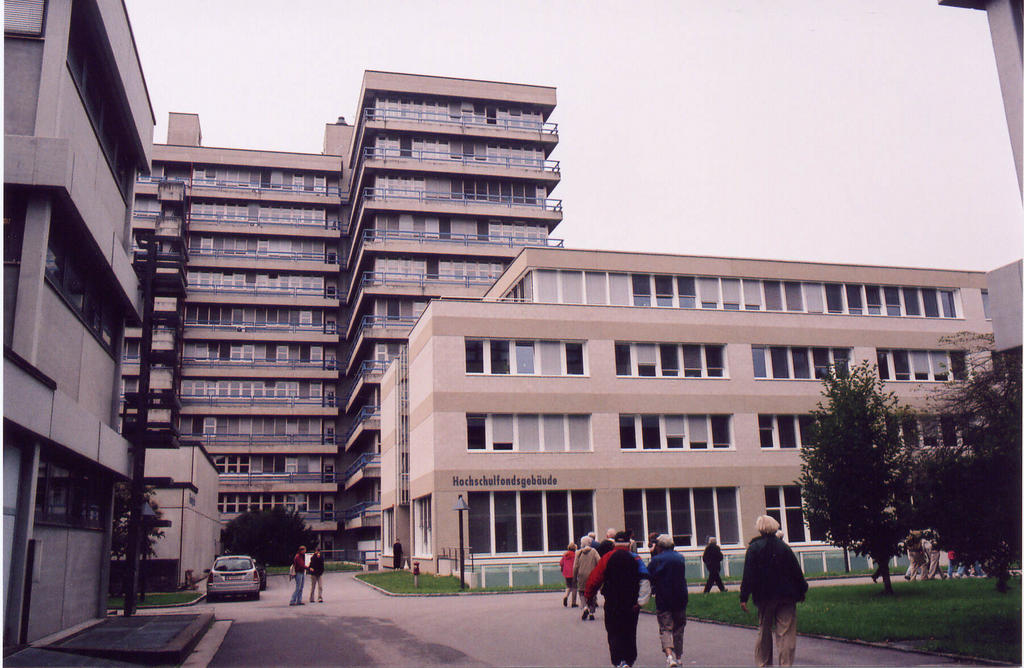
Austria is a rather small country today, having lost much of its vast Austro-Hungarian Empire after WWI. Linz is the provincial capital of Upper Austria, with the oldest church in Austria. This is also where we toured a modern university and had a lecture on the Austrian educational system. Melk was Bob's favorite of the whole trip, and after we docked he walked into town and got an amazing view of the massive Benedictine Abbey before our tour the next day. I, of course, was wowed by its library.

Linz Main Square


Linz trolley


Linz, Johannes Kepler University


Melk Abbey


Melk Abbey interior


Melk Abbey Library


Melk, town view

Photos of our Danube Cruise: Regensburg and Passau

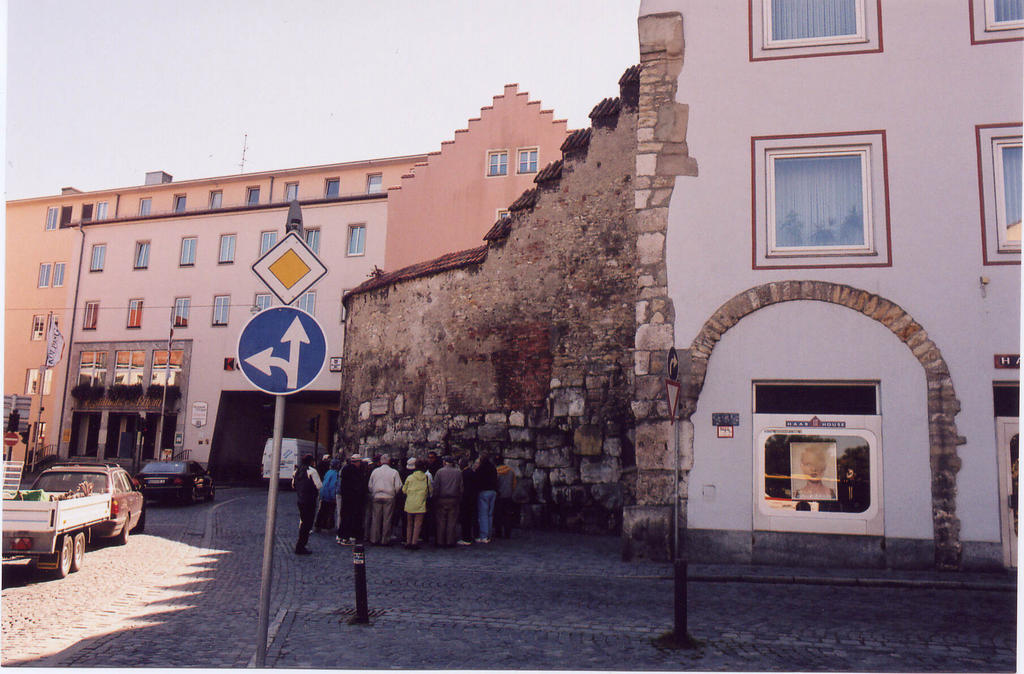
Columbus, Ohio is about 200 years old--Regensburg is about 2,500! I thought my architect husband would have a melt down--Romanesque, Gothic, Italianate, Baroque, Roccoco, neoclassical and romantic all within a few blocks. One thing we heard from all our outstanding local German and Austrian guides, important for any era--fame, power, ruling families, governments, churches and wealth come and go. A "global economy" was flourishing in Regensburg 1000 years ago due in large part to the Jews for 500 years then they were driven out, according to our guide. Around 500 B.C. Regensburg was a Celt settlement, and then the Romans used its strategic location to build a fortress, the walls of which are exposed and showing beneath many of the "modern" (17th century) buildings.

The Roman fort walls peeking out below


St. Peter's Cathedral, started in 1254 and finished around 1520.


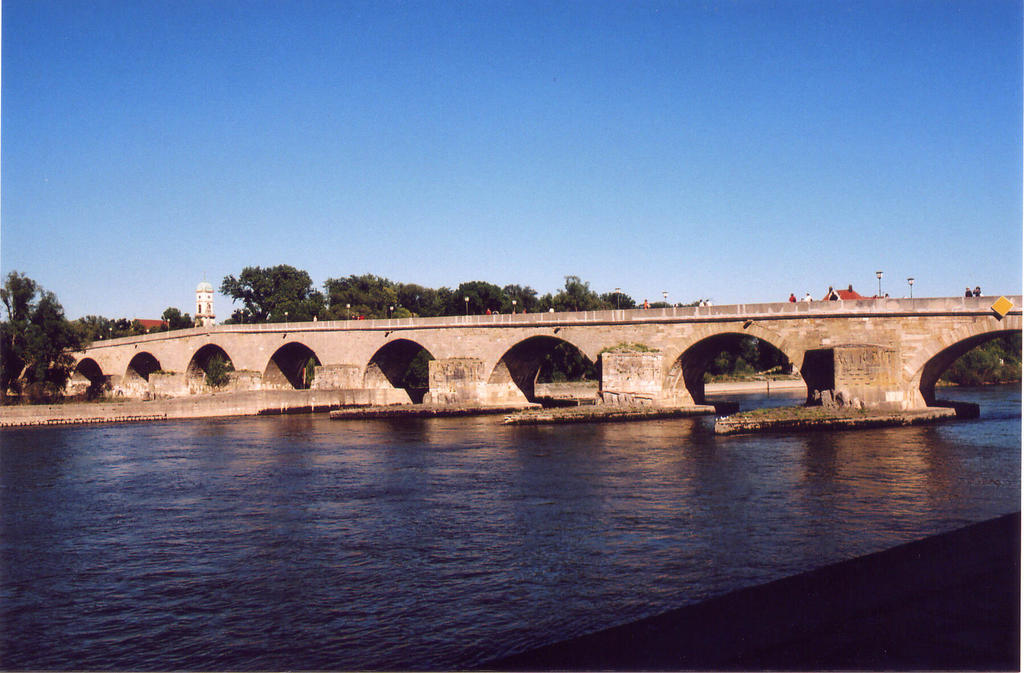
Steinerne Brucke, over the Danube, built in the 12th century


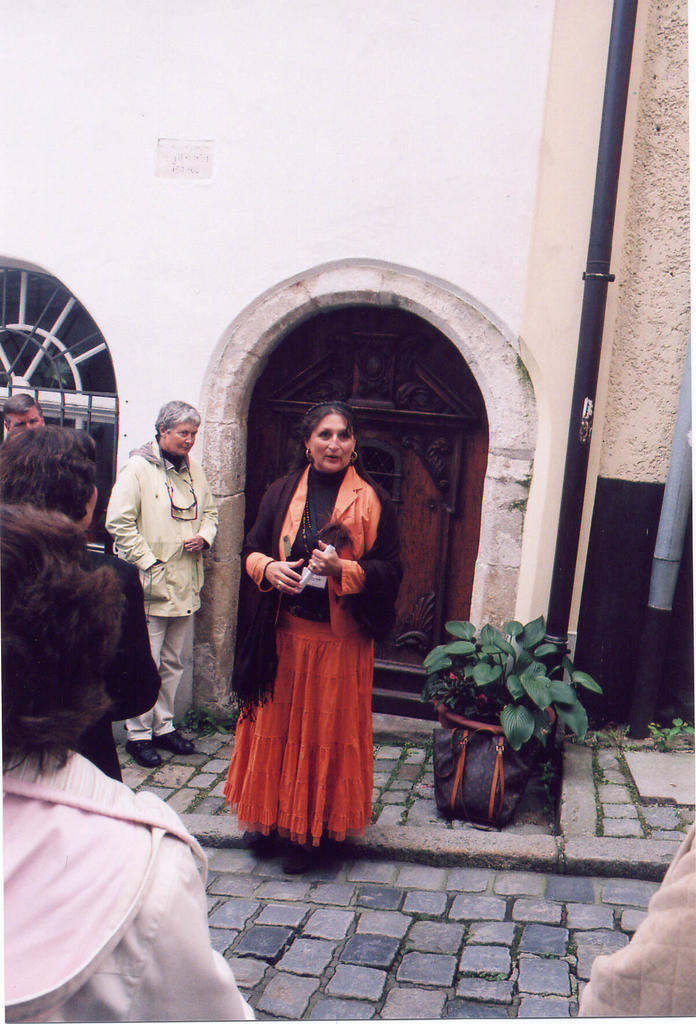
Our story-teller guide showing us a door used during the black plague


The organ of the Cathedral at Passau where we heard a wonderful noon concert


Parish church in Passau

Photos of our Danube Cruise

Photos will not do this trip justice. Every village and city we saw was lovely; our boat and crew were wonderful; our guides were fabulous. Still, I want to record just a few to save in my blog. We still do the old fashioned photo album so we view our photos more than once.

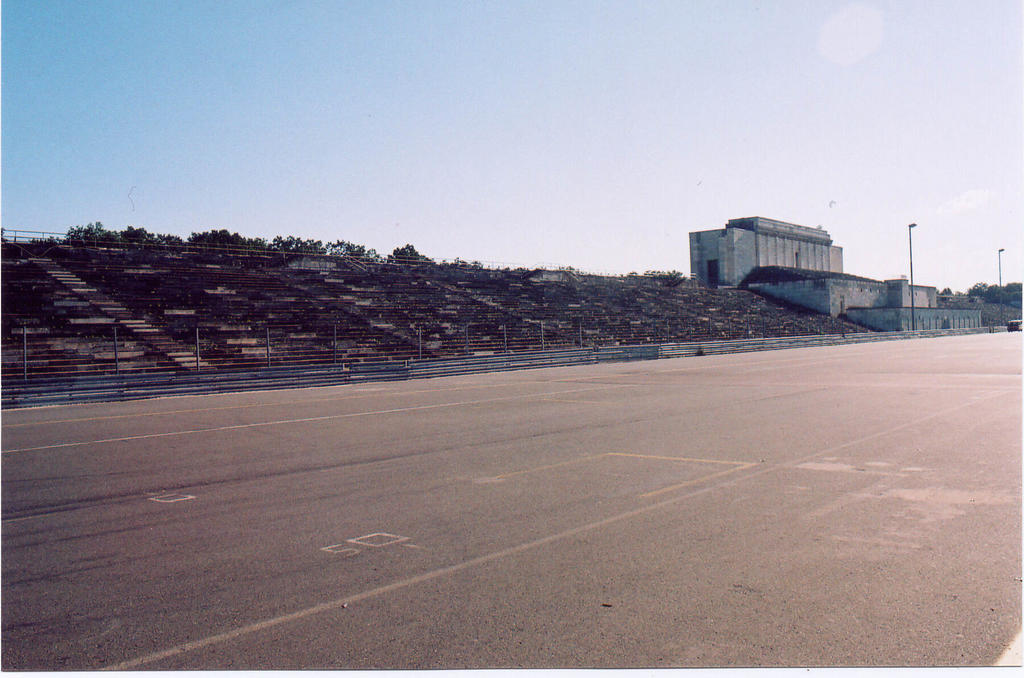
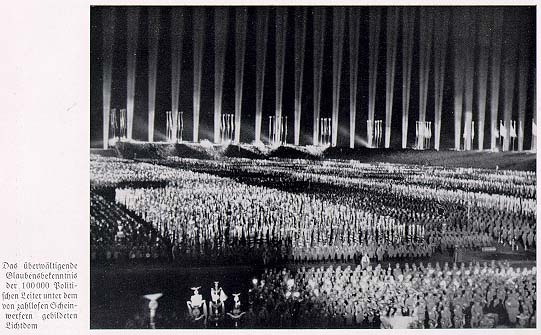
Nuremberg: Let's start with the most sobering, and then move on. Hitler loved Nuremberg. Here Hitler convinced millions they were the master race in mass rallies. This concrete expanse was designed to make the individual feel both insignificant and part of something larger at the same time (according to our guide). With huge spotlights, it became a Cathedral of Lights.


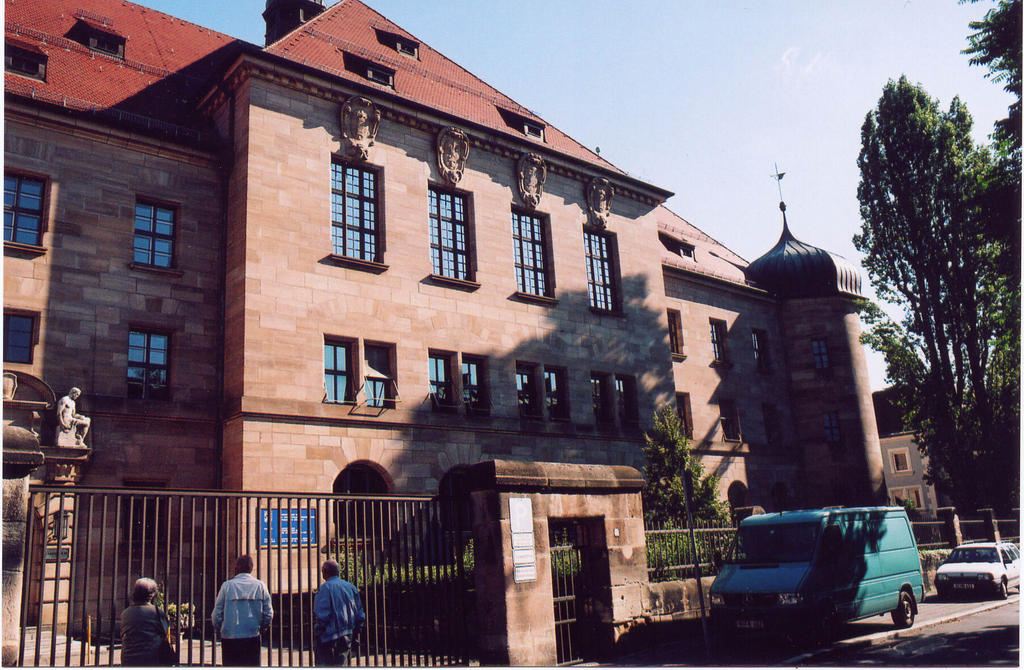
Where the war trials were held.


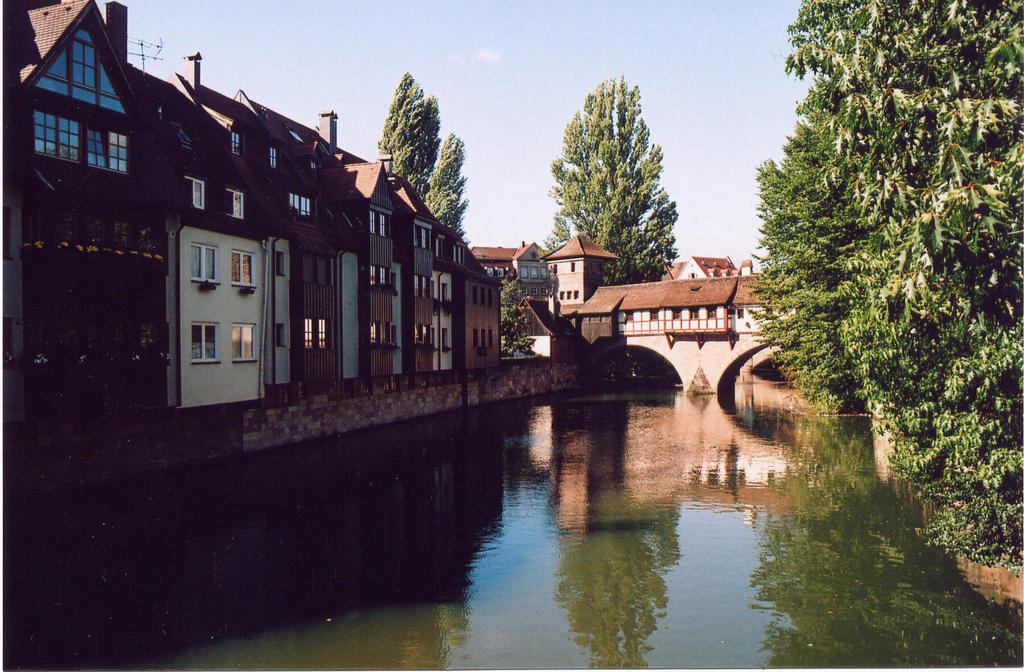
Lovely scene in old Nuremberg, with a Starbucks nearby


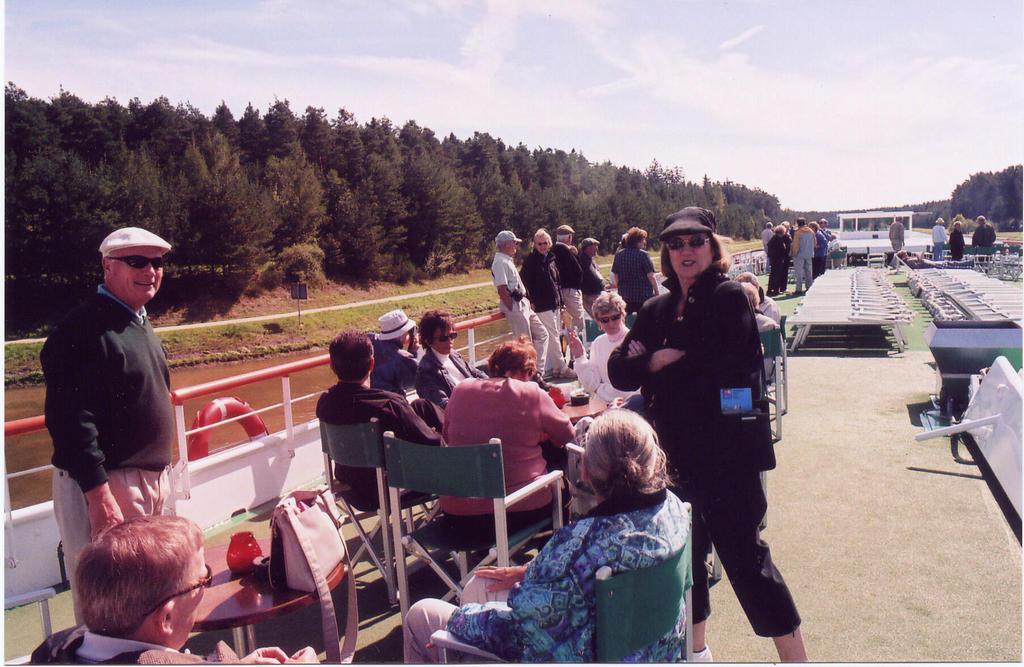
On the upper deck enjoying the river view

1534 Cheney's heart problems

Surely I'm not the only Republican who thinks it is time for Cheney to step down. These latest problems are not minor. It's common to say the vice president is "a heart beat away from the Presidency," but that expression should not refer to Dennis Hastert.

1533 I'm still waiting

for someone to give the specifics on what President Bush should have done differently during Hurricane Katrina that would have made a difference--saving lives, property or speeding evacuation. If John Kerry had been President, or Bill Clinton, I think the results would have been the same . . . and so would the criticism, only it would have come from the Republicans. But it would have been John Kerry on vacation (in France? at one of his wife's mansions?). The Red Cross still wouldn't have been allowed in to provide water and food to 20,000 people waiting for buses. The buses still would have been windshield deep in water if Kerry hadn't lost by 180,000 votes in Ohio. People still would have refused to leave their homes if Hillary were still first lady. The hurricane category 3 levee still would have been breached if Bill Clinton were in office. Louisiana's National Guard still would have been the Governor's responsibility to call up.

Truly, all I've read or heard is, "Bush was clueless," "Bush didn't care," "Bush was on vacation," "ineffective response," or equally vague put downs, but nothing pointed like the criticism of Louisiana's governor and New Orleans' Mayor, who had very specific responsibilities for the safety and well-being of their citizens and functioning communication systems, but were unable to coordinate them or give up power to the next higher agency. In fact, right before Rita hit, weren't we hearing complaints from Nagin that New Orleans seemed to have a federal mayor? Wasn't he asking for that just two weeks ago?

I just think it is important all Americans understand what the federal government's response is supposed to be. After all, Bush accepted the responsibility for a slow response. We've got FEMA, and a whole alphabet soup of government agencies, and all sorts of laws and regulations that stop at our state borders. I don't want to see the Bush administration just holler Mea Culpa without some pretty careful explanation, because it just means the federal government will grow and more laws and regs that no one understands will be on the books. I'd like to see the books closed on some older disasters--have those families and businesses recovered? I think it is important because there are other disasters, like earthquakes and tsunamis that could wipe out transportation routes. So, just who is in charge here?

1532 Economic literacy

Should a course on economic literacy be taught in schools? Not just budgeting. Not how to read a stock report. But something with a little history?

"I break economic literacy into two components -- factual and conceptual. Alas, most well-educated Americans are illiterate in both areas. First, the facts. Whenever I teach a seminar on basic economics, I always survey the audience: What proportion of the American labor force earns the minimum wage or less and what is the standard of living of the average American today relative to 100 years ago?

Even among highly-educated groups such as journalists or congressional staffers, the median answer is depressingly similar -- they think 20% of the American work force earns the minimum wage or less. In fact, the actual number is something less than 3%. Usually a non-trivial portion of each group thinks that our material well-being is lower today than 100 years ago. Their median answer is that we are 50% better off than we were 100 years ago. In fact, the average American is at least five and maybe 30 times better off than we were in the good old days. There's a dramatic range because it's hard to value the opportunity to listen to your iPod while recovering from open heart surgery. But 50% is a very bad answer." Russell Roberts replies to WSJ's question about what the public doesn't know. . .

Imagine how news stories would change if journalists were required to be literate in economics! Think of the trees that have died to produce stories about families that can't survive on minimum wage.

1531 Cottage; America's favorite home inside and out

The book is finally ready--it was waiting for us in the pile of mail. Last year I'd noticed an item in the AIA newsletter about a deadline for submitting suggestions for a book about cottages. I printed it out and put it in my husband's line of vision with an extremely strong suggestion that he enter one of his Lakeside designs. He submitted some photographs along with a paragraph or two about "the healthy house" and Lakeside which is on the National Historic Register. The authors, M. Caren Connolly and Louis Wasserman contacted him, and last May sent a photographer Rob Karosis to Lakeside. The book had a proposed publication date of summer 2005 and we're sorry it wasn't available to the Lakeside market this summer, but now it's out and absolutely lovely!


We are so thrilled with it, and the photographer of Foley's home did a fabulous job. Take a peek inside the book--Cottage; America's Favorite Home Inside and Out.

From the introduction: "For many people, cottage living is a dream come true. And, as the cottages in our book show, every dream is different. Cottage owners typically ignore the commonly accepted real estate maxims, such as building for resale, maximizing square footage, including a bathroom for every bedroom, and tacking on a three-car garage. Instead they think outside the box and create intimate homes that express their personalities and how they enjoy living their lives. The cottages in this book, and the dreams of their owners, have cast a spell over us. We invite you to read their stories and imagine yourself enjoying the hospitality each cottage graciously offers."

Bob's healthy house is pages 29-35.

1530 Big and Little Things I noticed

Obese Americans. I didn't see any. Travel though old cities of Europe with cobblestone streets, hills to climb, many irregular steps, and much less handicapped access than what we have come to expect, limits travelers and tourists to those in reasonably good health. The ages of the tour members ranged from early 40s at the lower end to mid-80s in the upper, but despite some frailty among a few of our older members, no one was what I would call obese. Nor did I see obese Germans and Austrians, who seem to look quite healthy and athletic based on what you see in American cities. (They obviously are running off all those wonderful breads and pastries.) I know I've read that they are catching up with us, but it is very noticeable the minute you step back inside an American airport.

Toilets. When you could find public toilets, they were well designed and managed. Toilet paper in Germany and Austria seems to be universally supplied by companies that produce paper towels and only know that product. A few places we experienced pay toilets which seems a throw back to the system we had here in bus and train stations in the 1950s. I didn't notice that they were any cleaner or nicer than those that didn't charge, but it does provide jobs. The stalls seem to be more sturdy, intended to last longer than a few months or years, mostly covered with ceramic tiles with stainless steel doors and really solid locks.

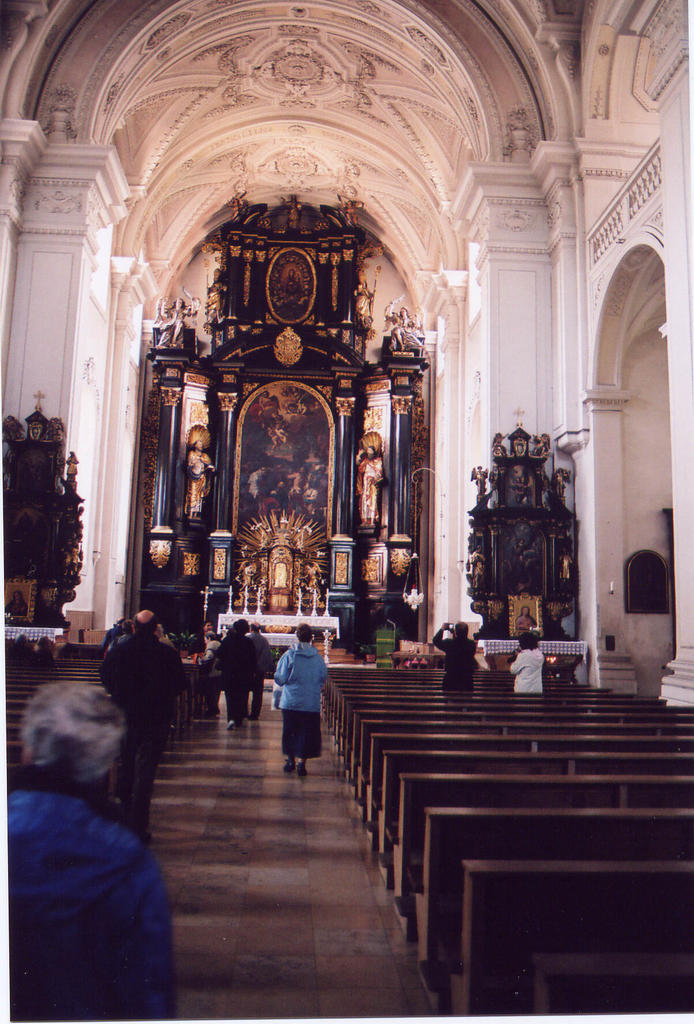
Churches and cathedrals. These seemed to be maintained by the state by taxing the Catholics (I suppose it is the same for Lutherans, but we didn't go through any protestant churches on a tour). Europeans like to criticize our American politics being influenced by religion, however, I think Americans would really balk at having the state collect taxes to support the churches. The cathedrals are a huge draw for tourists who bring in millions of Euros to support the economy. If anything, the state ought to do all it can to support these wonderful old buildings, which cost millions to maintain. We rarely saw a cathedral without scaffolding and plastic to catch debris.

Minorities. Although there were many African Americans on our flight to Frankfurt, they must have all been going elsewhere for a holiday. I literally saw only Caucasians and Japanese in Europe. I know there are "guest workers" in Germany and Austria who are darker, but I didn't see them. A few security personnel in the airports looked exactly the same as in the United States. I saw only one or two people in wheelchairs (it would be extremely difficult in the cities we visited), and only one retarded person. You know what? I think I missed the diversity of our large cities (disclaimer: we have almost none in our suburb which is pretty WASPish). For all our complaints about political correctness, affirmative this and that, and immigration policies, we are still a nation that accepts everyone as a goal, even if we haven't reached it yet. As unemployment soars in Europe, I think we'll see increasing resentment against minorities who have never become citizens, and even those who have.

Smoking. May I say a big thank you to all those liberals who have pushed cigarettes and cigars out of our faces, and eliminated the stink from our clothes and hair. Oh, how quickly you forget how unpleasant it is to sit in a smokey restaurant, or even to sit or stand outside with something that smells like old dirty clothes smoldering. Pugh!

Television. We had TV in our cabins, and unless we were going through one of the 21 locks on the Danube, we had fairly decent reception. I would sometimes watch German programming while trying to fall asleep (time change you know). Did you know you can watch a home make-over in German and pretty much figure out what is going on? They seem to love something that looks like a Judge Judy show, only it appears to have actors, not real plaintiffs and defendants. One time while flipping through I found three running simultaneously. We could also get BBC and CNN International. So we kept up with Hurricane Rita. One of the oddest things I heard on CNN (which I rarely watch at home) was a comment and clip of President Bush warning people to evacuate and take safety. The commentators said he was responding much more quickly than he did with Katrina having learned from the government's poor response. But after the video clip of his warning, she said, "This is the same speech he gave to the people in the path of Katrina in late August." Now why a warning has more impact if he is in a suit and tie in DC than in boots and jeans in Crawford, I have no idea.

Part I: Our Wonderful Trip
Part II: Our Danube Cruise
Part III: Photos: Nuremberg
Part IV: Photos: Regensburg and Passau
Part V: Linz and Melk
Part VI: Photos: Durnstein and Vienna--under construction
Part VII: East Germany Lessons for us
Part VIII: What to wear on a cruise
Part IX: Dancing on the Danube

1529 Our Danube Cruise

Our tour was arranged by the University of Illinois Alumni Association through AHI (Alumni Holidays International) which was the host for our cruise on the Danube River from Nuremberg to Vienna. I must say, it is an outstanding tour company and we literally didn't have a worry in the world. Every little detail was taken care of, and the ship they hired, MS Switzerland, was outstanding with attentive staff, fabulous food, and lovely decor.

Our Campus Directors were Cecilia R. Berry a native of Hungary and resident of California who works for AHI and Robert A. Dalton, of England who is a private contractor. They were both outstanding, and as we floated down the Danube, other lecturers joined us providing information on German history and culture, German reunification and its political and economic implications, the Austro-Hungarian Empire, and the Austrian education system. Particularly interesting was Dr. Hans Hillerbrand, a professor of religion at Duke University. He began his career as an exchange student in the 1950s at Goshen College in Indiana and is a well known author in the area of religion.

Here's the site and description from Notre Dame's Alumni.

"Once upon a time, Charlemagne dreamed of connecting the waterways of Europe into one vast thoroughfare from the North Sea to the Black Sea. The formidable engineering and political challenges this vision presented took nearly 1200 years to overcome. The Main-Danube Canal, one of the most impressive engineering feats of all time, was the realization of this dream and, since September 25, 1992, has linked an enchanting world of fairytale castles and cities steeped in tradition.

On this exciting journey through the heartland of the Bavarian Alps and the breathtaking Wachau Valley, you’ll marvel at spectacular natural beauty, well-preserved medieval charm and architectural splendor. You’ll traverse the Main-Danube Canal and the Danube River as you relax in comfort aboard the elegant M/S Swiss Pearl. You’ll explore historic Nuremberg, regal Regensburg, picturesque Passau, the Wachauer towns of Linz, amazing Melk and Dürnstein and of course classic Vienna!"

1528 We had a wonderful trip

but it is good to be home. Our daughter and son-in-law met us at the airport last night and offered to take us out to eat (their wedding anniversary). But we'd been up for about 20 hours, so we declined. She took home the pumpkin pie and topping she'd brought over. Maybe today. . .

I'll be writing more as I find my notes and thoughts. First a comment about airports. We saw many. Columbus, Chicago O'Hare, Frankfurt, Nuremberg, Vienna, Munich. The only place I encountered rude staff with incomprehensible English was in Chicago!

I felt so sorry for one elderly Asian traveler at O'Hare trying to decipher verbal instructions. I would have taken him aside and in a gesture of American welcome and kindness helped him, but I couldn't understand a word the staff woman said. Elegant hairdo, long brilliant fingernails, and a spotless uniform, but not an understandable syllable or phrase of standard English. What a shame. Except there was that guy named Spencer where our passports were checked. He smiled, he was friendly, and he welcomed us home.

O'Hare was also our only experience with a delayed connection. Our international flight from Munich (Lufthansa) was within a minute of the scheduled arrival time. Our flight home had been coming in from Dallas and was redirected to Indianapolis. They scrambled to find another plane, and we were on the runway only 30 minutes late, then sat behind 26 others because it had been raining. Even so, in what must have been the shortest in air time I've ever had between Chicago and Columbus, we were only one hour late getting in.

Now, that's all out of my system, so on to happier thoughts to collect.

Friday, September 16, 2005

Signing off for awhile

While I'm gone, stop and read my archive column for Lakeside, Ohio stories and my recollections of long ago and far away. See you when we get back.


Lovely Wachau Valley


Beautiful Ogle County

Thursday, September 15, 2005

This one's for you--son

Take a look.

1525 Where will the Conference be in 2006?

The ever-liberal and sensitive-to-diversity American Library Association had planned to have its Conference in New Orleans in 2006. The listserv is providing a variety of views on whether it is appropriate to be worrying about that during this time of disaster and great need. Considering that many organizations in the past have opted to boycott cities that are not friendly to women or gays or labor unions, I'm wondering why ALA ever considered New Orleans in the first place. By anyone's standards it was a mess before Katrina--a tourist mecca served by the working class hovering above the poor, living in project housing. New Orleans not only had the French Quarter, great hotels and jazz, it had a huge poverty rate among black Americans with enormous racial divisions and income gaps among whites, blacks and mixed race. Crime was at crisis levels (endangering locals more than tourists), with bars on the windows of even modest homes. The state and local governments have historically picked the pockets of the poor and used them to build a political base by doling the money back to them. It was an environmental disaster waiting to happen, with layers of bureacracy, red tape and regulations that paralyzed everyone trying to fix it.

Just the poverty alone should have been a red flag to the conference planners, but they never noticed the problem until it showed up on Fox and CNN.

1524 The woman I never was

Nathan Bierma sends out a newsletter about language. The latest issue has an interesting item about the word "spinster." I got married so young I just completely missed that stage of womanhood.

"Endings: The word "spinster" will be retired by the British Government this December, after centuries of use as the official term for a woman who has never been married. The male counterpart, "bachelor," also will be shelved. The Registrar General currently uses these terms on marriage certificates to describe the previous status of newlyweds. But now that homosexual couples can enter into what the Government calls "civil partnerships," the Registrar General wanted terminology that could apply to gay couples. From now on, an unmarried Brit, regardless of sexual orientation, will officially be called a "single."

"Spinster" was first recorded in the 14th Century as the name for the occupation of spinning wool -- a job usually done by a woman. Eventually both the job and the name became so associated with unmarried women that the British Government adopted it in the 17th Century as the official title of an unmarried woman, according to the OED.

The word has never lost its connotations of social inadequacy that came, in centuries past, with being an unmarried woman beyond marrying age. "I can't feel the word is much of a loss," wrote British etymologist Michael Quinion in his World Wide Words newsletter (www.worldwidewords.org), adding it has been "a very long time since an unmarried woman referred to herself by this title in seriousness." " The article also appeared in the Chicago Tribune.

1523 Such a deal!

Couldn't have worked out better. Be totally unprepared for anything above a category 3 hurricane, don't get your poorest and most vulnerable out in time, create chaos by not allowing ngo's to provide food and water, and then when all that bad planning gets washed away, ask all the other citizens of the United States to pay for it.

Here's what Blanco asked for yesterday in a speech to the Louisiana Legislature on the Restoration of Southeast Louisiana.

"Governor Blanco left no doubt about what she expects of the federal government. That includes:

• Asking the federal government to cover 100 percent of what Louisiana will spend on this disaster – just as was done after 9-11.

• Significant financial help to rebuild homes and return our families.

• Tax relief and loans to keep our businesses afloat.

• An extension of unemployment benefits.

• FEMA to give priority to hiring Louisiana companies and Louisiana workers."

So if Alabama and Mississippi were only slightly less prepared, do they get this too? And Florida? What about Ophelia and the North Carolina coast. They're quite prepared, having learned some painful lessons from FEMA's failures in 1999.

1522 Money she brought home from Washington

Gov. Blanco got a lot of money to build a highway between Louisiana and Arkansas. Truthfully, she's no different than any other governor when it comes to highway pork (Alaska and West Virginia are the greased pig highway and bridge champions), but considering events of the past few weeks, I wonder how much that stretch of highway was needed?

"The money our delegation brought home from Washington and the state investment we secure today are big steps toward making the complete connection from Arkansas to New Orleans.

Our delegation’s hard work has resulted in funding through 2009.

Beyond this, I know they are committed to securing the funds we need to build those last few miles and I know Louisiana will have the investment we need to match that federal commitment." Blanco Speech August, 12, 2005

"Governing magazine recently increased Louisiana’s grade to a solid B for the way we run our government and manage our taxpayers’ money. Only seven states ranked higher."
Uh oh. Boy, are we in trouble! Her State of the State speech, April 25, 2005.

1521 Bait and Switch

Writing and publishing were required in my job--and I loved it. Seeing my name in print in journals I respected was nice--but not wonderful enough for me to want to do it in retirement. I enjoy research and always did the appropriate amount and meticulously documented my conclusions. However, I usually "knew" my conclusions before I began the project. So when I saw journalist Barbara Ehrenreich being interviewed by Stephen Moore about her latest book "Bait and Switch" I wasn't too surprised by her conclusions that something is terribly wrong with our society because of her anecdotal evidence and personal prejudices proved that before she started her research. She says she was surprised that white collar, middle-class people with college degrees had trouble finding work, but her conclusion was that "they" (U.S. business?) were to blame. I wasn't surprised--I just don't agree with her method or her conclusion.
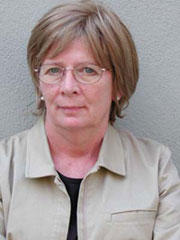
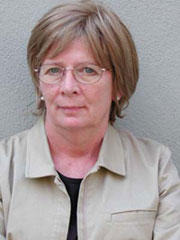
Here's her method. At 63, she changes her name and social security number and attempts to get a $50,000 job in marketing. She isn't successful. Are we surprised? Have you seen her? Have you seen people who usually go into marketing and PR? This woman looks like her face would fall off if she smiled! She looks like me when I'm deep in thought. She was quite combative with the interviewer who was from the Wall Street Journal (you can watch it on C-Span Book TV on streaming video), and I'm wondering how she thought she'd come across in a personnel interview in corporate America. She admits she was "acting." Does she think personnel officers (human resource managers?) are so inexperienced they can't spot that? So she tries an image coach, who sounds like an idiot and an image consultant, but still doesn't get a job. She admits she had no "network," and actually, that's a serious weakness for many women. I'm guessing from her attitude and career track, she's a bit of a loner. "Maybe I did it wrong, but I did what other people are doing," she sighed.

The interviewer pointed out the "BS" factor in the people who were making money trying to coach her into a position (for which she was completely unsuited). He suggested that the problem was "you were trying to be someone you were not." "So what" was her attitude about smiling. She missed it, didn't she? Being in marketing or PR is not about smiling. It's about personality, drive, depth, understanding the market, training, skills, and having a lot of contacts--maybe hundreds--attending sporting events, symphony, church, being on boards and committees until you think you can't attend another meeting.

Her advice for someone looking for work: "Be careful how you spend your money--it's mind games, new agey nonsense (referring to career coaches)." "Support and self-help groups don't really give a person a chance 'to tell their stories.'" She wanted out of work people to form warm fuzzy support groups and also lobbying groups. She whined about "corporate conformity" in clothing, and tried to argue with Mr. Moore who actually does work in the corporate world, when he denied a dress code. It made me wonder if she has walked the streets of any U.S. city or halls of academe and seen the awful outfits people wear, particularly women. Try church if you really want sloppy.

She refused to acknowledge the validity of Mr. Moore's statistics that countered hers--she was terribly full of "yes, buts." Her only answers for out-of-work people were for more government involvement--universal health insurance and longer unemployment benefits. How does that create one job--which was her other chord--too many jobs being lost. He decimated her points about Europe's employment picture and she just poohed-poohed them. "Well, they haven't accepted a low-wage economy. . . they have strong unions." Completely ignored the sky rocketing unemployment caused by all these features she wants in American businesses. But she was against Bush's plan to make workers more secure with their own retirement accounts (which she admits on air she knows little about--but she's against it).

We know several men ranging in age from 40-55 who are out of work and well educated--exactly her theme. They all want the same thing--well-paid, secure positions, outside the area in which they've worked, areas which have caused burn-out and failure for them. Any colleague, friend or relative could tell them what they are doing wrong and make suggestions on how to change. They will not, cannot listen. They have the same "Yes, but" attitude that Ms. Ehrenreich threw back at Mr. Moore's suggestions.

I haven't read "Bait and Switch" and probably won't. The interview was enough. I heard enough whining and sighing when I was employed.

1520 Why could Florida respond and other Gulf states couldn't?

Florida had disaster teams in Mississippi and Louisiana before those states' responders did. Why? How? Preparation. Planning. Learning from the past.

"And how Louisiana and Mississippi officials have handled Hurricane Katrina is a far cry from what emergency managers here [Florida] would have done. Mississippi was in the middle of rewriting its disaster plan when Katrina struck. Officials there were still analyzing what went wrong during Hurricane Dennis earlier this year when Katrina overtook them. Search teams from Florida were rescuing Mississippi victims before law enforcement officers there were even aware of the magnitude of the disaster.

Louisiana also lacked an adequate plan to evacuate New Orleans, despite years of research that predicted a disaster equal to or worse than Katrina. Even after a disaster test run last year exposed weaknesses in evacuation and recovery, officials failed to come up with solutions."

Read the whole article here.

1519 Don't know much about geography

What a wonderful world it would be if Europeans would read a geography book sings Jane Galt. Megan McArdle “is sickened by the smug response of some Europeans to this tragedy: their gladness that it has taken Bush down a peg, their overweening belief that this somehow happened because Americans just aren't as nice or as smart as Europeans are. Of course, Europeans have no way of knowing how they'd do in such a disaster, because they have no storms like Katrina, no earthquakes like Northridge, no rivers like the Mississippi . . . but somehow that doesn't seem to stop some of them from being sure that the ability of their police to stop 40 or so football yobs from rioting translates perfectly into an ability to handle the displacement of 500,000 people when even the police have no water, food, gas for their cars or power for their radios.”

She lists five items about our geographic, climatic and demographic differences that Europeans [and Americans] need to consider when criticizing the hurricane response. Might be nice if some librarians providing misinformation were aware of a few of these facts too.
Asymmetrical Information