Showing posts with label food safety. Show all posts

Thursday, December 19, 2019

How long is too long for leftovers?

Instead of the smell test, consider how long your leftovers have been in the fridge since they were prepared. Different items have a different shelf life, so keep the following time frames in mind:

  • Cooked pasta: Eat within 1-2 days
  • Cooked rotisserie chicken: Eat within 3-4 days from the date of purchase
  • Chicken, seafood, and pizza: Eat within 3-4 days
  • Red meat and pork: Eat within 3-5 days

https://blog.ohiohealth.com/leftover-lessons-know-whats-safe-to-eat-and-whats-not/

This site didn’t mention potato salad, so I looked that up separately.  Most sites said 3-5 days, however, home-submitted responses said up to 10 days, and one said 12!  I usually start with a deli mix, so I wouldn’t call that fresh, would you? Then I add cooked potatoes to taste, and some eggs and olives, or more onions, depending on taste.  However, I don’t keep it over 4 days, so I have to have a big crowd.

https://stilltasty.com/Fooditems/index/18079

Thursday, April 23, 2015

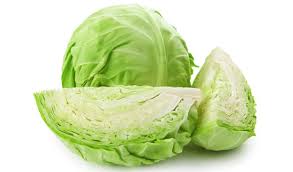
I love cabbage

Image result for cabbage

I like it raw, or grilled in a little butter, or shredded on lettuce for some crunch in a salad.  I really enjoy coleslaw, either plain or with apples or raisins in a sweet dressing. 

Look at this list of pesticides for cabbage found in lab research. But before you say “eeyu” and swear off cabbage, these are pesticides which the cabbage plant produces.  99.99% of all the pesticides we eat are produced by the plant itself. Plants produce toxins to protect themselves against fungi, insects, and animal predators.  Tens of thousands of these chemicals have been found and tested, and each plant is different.

Glucosinolates: 2-propenyl glucosinolate (sinigrin),* 3-methylthiopropyl glucosinolate, 3-methylsulfinylpropyl glucosinolate, 3-butenyl
glucosinolate, 2-hydroxy-3-butenyl glucosinolate, 4-methylthiobutyl glucosinolate, 4-methylsulfinylbutyl glucosinolate,
4-methylsulfonylbutyl glucosinolate, benzyl glucosinolate, 2-phenylethyl glucosinolate, propyl glucosinolate, butyl glucosinolate
Indole glucosinolates and related indoles: 3-indolylmethyl glucosinolate (glucobrassicin), 1-methoxy-3-indolylmethyl glucosinolate
(neoglucobrassicin), indole-3-carbinol,* indole-3-acetonitrile, bis(3-indolyl)methane
Isothiocyanates and goitrin: allyl isothiocyanate,* 3-methylthiopropyl isothiocyanate, 3-methylsulfinylpropyl isothiocyanate, 3-butenyl
isothiocyanate, 5-vinyloxazolidine-2-thione (goitrin), 4-methylthiobutyl isothiocyanate, 4-methylsulfinylbutyl isothiocyanate,
4-methylsulfonylbutyl isothiocyanate, 4-pentenyl isothiocyanate, benzyl isothiocyanate, phenylethyl isothiocyanate
Cyanides: 1-cyano-2,3-epithiopropane, 1-cyano-3,4-epithiobutane, 1-cyano-3,4-epithiopentane, threo-1-cyano-2-hydroxy-3,4-epithiobutane,
erythro-1-cyano-2-hydroxy-3,4-epithiobutane, 2-phenylpropionitrile, allyl cyanide,* 1-cyano-2-hydroxy-3-butene, 1-cyano-3-
methylsulfinylpropane, 1-cyano-4-methylsulfinylbutane
Terpenes: menthol, neomenthol, isomenthol, carvone*
Phenols: 2-methoxyphenol, 3-caffoylquinic acid (chlorogenic acid),* 4-caffoylquinic acid,* 5-caffoylquinic acid (neochlorogenic acid),*
4-(p-coumaroyl)quinic acid, 5-(p-coumaroyl)quinic acid, 5-feruloylquinic acid

“ 27 natural pesticides that are rodent carcinogens are present
in the following foods: anise, apple, apricot, banana, basil,
broccoli, brussels sprouts, cabbage, cantaloupe, caraway,
carrot, cauliflower, celery, cherries, cinnamon, cloves, cocoa,
coffee, collard greens, comfrey herb tea, currants, dill,
eggplant, endive, fennel, grapefruit juice, grapes, guava,
honey, honeydew melon, horseradish, kale, lentils, lettuce,
mango, mushrooms, mustard, nutmeg, orange juice, parsley,
parsnip, peach, pear, peas, black pepper, pineapple, plum,
potato, radish, raspberries, rosemary, sesame seeds, tarragon,
tea, tomato, and turnip. Thus, it is probable that almost
every fruit and vegetable in the supermarket contains natural
plant pesticides that are rodent carcinogens. The levels of
these 27 rodent carcinogens in the above plants are commonly
thousands of times higher than the levels of synthetic
pesticides.”

Pesticide residues on fruits and vegetables are minuscule compared with the cancer-causing potential of some natural chemicals in plants.

Monday, March 16, 2015

Food safety

Contamination of produce accounted for 46% of all foodborne illness in the U.S. between 1998-2008. Attribution to non-plant foods was as follows: meat and poultry 22%; dairy and eggs 20%; and fish and shellfish 6%.  Stats from CDC via George Mateljan’s  WH Foods Weekly Newsletter, March 16, 2015.

As a general rule, cooked foods are safer, however, salad bars continue to a problem—especially sprouts.

Friday, February 27, 2015

Fake extra virgin olive oil?

From this health website with which I’m not familiar, comes this warning.  Many brands of olive oil are fake. http://eatlocalgrown.com/article/12300-is-your-olive-oil-lying-about-its-virginity.html  Where is the USDA which consumes billions of our tax dollars to promote safe food and accurate labeling?

Independent tests at the University of California found that 69% of all store-bought extra virgin olive oils in the US are probably fake.(3) This study reported that the following brands failed to meet extra virgin olive oil standards:

    • Bertolli
    • Carapelli
    • Colavita
    • Filippo Berio
    • Mazzola
    • Mezzetta
    • Newman’s Own
    • Safeway
    • Star
    • Whole Foods

The same University of California study listed the following brands as having met their standards for being true extra virgin olive oil.

    • Corto Olive
    • California Olive Ranch
    • Kirkland Organic
    • Lucero (Ascolano)
    • McEvoy Ranch Organic
    • Pompeii

Note: although I found the UC Davis Olive Center, I haven’t found the actual study so I can look at it.  It does produce its own olive oil for sale and is industry funded.  That’s not necessarily bad, but should be noted. So now I’m looking through the Olive Center’s FB page.

http://www.boomcalifornia.com/2015/01/new-missionaries/

Wednesday, January 05, 2011

Jam it through before the Republicans see it--Obama signs $1.4 billion food safety bill

"The Food Safety Modernization Act, is estimated to require $1.4 billion in new funds over five years, according to the Congressional Budget Office. That cost was causing some Republicans, emboldened by GOP gains in November and increased public concern over deficit spending, to question whether the investment is worth the cost." The Packer

Usually I don't use a wiki to look for stats, but this one of foodborne illnesses will have to do because I seem to only be getting 1999 stats. For a country that won't raise the legal driving age which could save thousands of lives a year both of teen agers and their passengers, parents and siblings riding in the car, it seems like a lot of money for hospitalizations from food poisoning and almost no deaths. The CDC claims our food supply is 99.999% safe. Many people die from hospitalizations alone so I think it's a toss up, based on my food poisoning experience of several years ago (food purchased in Europe, but hospitalized in Columbus). This law doesn't cover meat, eggs or poultry and will just add reams of regulation and headaches for producers and raise the cost of our food. Will they add that to the $1.4 Billion? Probably not. And support from the industry? Well, why not? Like most government regulation, it knocks out the competition.

“While it’s a great re-election tool to terrify people into thinking that the food they’re eating is unsafe and unsanitary, and if not for the wonderful nanny-state politicians we’d be getting sick after every meal, the system we have is doing a darn good job,” Rep. Jack Kingston.

Obama signs bill boosting food inspections, oversight and allowing mandatory recalls - latimes.com

Wednesday, December 01, 2010

Senate passes food safety bill

"The Senate on Tuesday approved a vast overhaul of the nation’s nearly century-old food safety system, ending more than a year of political stalemate and boosting the Food and Drug Administration’s power to deal with contaminated products that have sickened thousands of Americans."

Not sure what's behind this (other than big-Food/agribiz lobbyists), but according to a chart I saw in the paper, 12 people have died in 2008-2010 from e-coli or Salmonella. Meanwhile in the same time period I think about 15,000 teenagers have died in auto accidents because we don't raise the legal driving age to 18. So it seems this is just a power move on the part of another government bureaucracy and/or the mega-food companies to drive out the little guy with higher costs, but it's not a safety measure. (There are some who think it is a deliberate move to raise food prices and level of panic among voters.) Even the problems they had with food safety in the last few years could be traced back to unsanitary conditions, often using illegal agricultural workers.

Senate passes food safety bill - Meredith Shiner and Scott Wong - POLITICO.com

Carolina Farm Stewardship Association

HALE: Food-safety law raises prices, puts unreliable FDA in charge - Daily Nebraskan - Opinion


Lobbying Spending Database-Food Industry, 2010 | OpenSecrets

Saturday, March 20, 2010

Country of Origin Labeling--COOL

I ALWAYS look for country of origin on packaged and fresh food. The 2009 7 CFR Part 60 and Part 65 obviously doesn't cover everything, like the "distributed by" note on the Trail's End Mix Gourmet Blend that was dropped off at my door today to promote Scouting. Not a word on the package about country of origin--raisins, cranberries, nuts, sugar. It should be my choice to purchase food grown in countries without the protections afforded us by the USDA. I never buy anything that will go on my skin or in my mouth that was made or created or grown in China--including toothpaste, hand lotion, etc. Look what the did to our pets; to their own infant formula. For other Asian nations, I'll decide on a case by case basis--like tuna or mushrooms. You really have to read the small print at Trader Joe's. Safe food is something the U.S. does well--and if the USDA would get out of the mortgage business (no money down, 100% financing) it would have more money to hire more inspectors.

Agricultural Marketing Service - Country of Origin Labeling

Saturday, December 20, 2008

Pig collagen and Truth in Aging

Jumping from an article about safety data and various cosmetic products and procedures at JunkFood Science, I was looking for "pig collagen" which is used for a wrinkle filler and I wondered if it was OK for Jews and Muslims, and that took me to Truth in Aging, which I've only just skimmed, but I do agree with this.
    . . .you practically need a degree in chemistry to decipher the label on a bottle of drug store moisturizer these days. Truth In Aging attempts to siphon out what really works and why, and deliver that honest truth to the consumer. I am dedicated to honest, unbiased reporting amidst claims that are often misleading and confusing. And, in all the noise, there are actually some good things out there that get missed because we are bewildered, jaded and/or cynical.
My "beauty regimen" extends to a shower, moisturizer, Merle Norman powder base foundation whisked across my face, a touch of rouge, and hair color about every 7 weeks. I use fat to fill out my wrinkles, and I do not look like I have implanted soccer balls inside my sweater. And clothes, of course, I wear. Even buy something new once in awhile. However, the products I've seen on this site will probably only be good for a laugh--like $130. My newest find was Jergen's with Shea Butter--love the smell--and it was probably about $5.

I see a lot of women my age with too much make-up--collects in the wrinkles and eyebrows--and the wrong color. We are no longer the fresh faced teens we were when we selected that rose or orange tone. Time for a reality check.

Sunday, November 30, 2008

China losing luster says Business Week

"A new survey finds rising worries about product quality and intellectual-property theft. More U.S. companies are looking to Mexico and their own backyard." Not fast enough. Especially food items. I picked up a box of holiday decorated Kellogg's Rice Krispie squares--an unfamiliar product. These days I'm looking for details. If it is not made or grown in the USA or Canada and is a food or health and beauty item, I put it back on the shelf. This one had only the decorated candies "made in China." No thanks. There is no reason for the USA to be importing food items, and I don't care what the trade agreements are, when we don't have the will to hire enough inspectors. Link. "Distributed by" tells you nothing. . . except that it probably wasn't grown or made in the USA.

Tuesday, November 06, 2007

What's on your pantry shelves?

Lots of NOINFOCO--no information on country of origin. Have you noticed how many canned and prepared food items say only "distributed by" instead of "product of USA" or product of any country? If I choose to buy banana chips, as I did this week, I know the package says "product of the Philippines," and I can decide if I trust our long relationship with that country, and are the standards for pesticides, herbicides and cleanliness the same. Many of the items I put in the basket say, "product of Canada." I'm OK with that. What's more American than pumpkin pie in November? But do you know from the Libby's label? "100% pure pumpkin produced and distributed by Nestle USA." That really doesn't tell me where the pumpkin was grown, stored, cooked, canned or shipped does it? NOINFOCO.

This week I had one clear winner for clarity in the grocery cart. The bag of Eagle Eye Idaho Potatoes said "grown in Idaho" 3 times, as well as "produce of USA," and "packaged in Idaho." Can't be anymore forthright about their product than that.

Compare that to these Meijer brands I bought: Select Black Beans, Chunky Applesauce, Lite Pear Halves, and Cream of Mushroom Soup. All are "Distributed by Meijer of Grand Rapids, MI" with no information on where they were grown, produced or packaged. I'm told on the label percentage of calcium and Vit. C, the mg of sodium and cholesterol, the grams of fiber and protein, the serving size, how many servings in the container and the calories, how many calories are from fat, what ingredients are inside the can or package, how to cook it or serve it, how to store it after it's opened, and a "use by" date. And depending on the company, I could practice my Spanish, or have a label so cluttered, I can't even find the English words. Even the Meijer Organics Golden Sweet Corn with a seal that reads "USA organic" just may be saying there's a standard in the USA for certifying something is organic. It doesn't really say it was produced here.

Now that we're seeing corn being grown everywhere so we can burn it in our gas tanks, I think it's time to make sure you know where the food is coming from that used to be grown in Ohio or Indiana or Iowa. This is a safety issue just like the lead paint in toys or the salmonella in lettuce greens. Anything can happen even with locally grown produce, but the USA does have standards and regulations governing production and distribution. We learned from the China toys and pet food fiascos that neither the corporations nor the US government were checking to make sure those products were produced the way they were supposed to be. (China has no tradition of contract law and feels no obligation to do what they say they will do.)

So why can't we consumers be a bit more proactive, why doesn't the FDA and the USDA require "country of origin" or "product of. . ." which would be more helpful than having everyone switch from transfat to palm oil? Ask your congressional representative to . . . represent YOU. This is not a liberal or conservative issue. It's about being an informed consumer. Let's not have another food scare which will create another layer of bureaucracy after finger pointing and hearings with movie stars giving us advice. Act now.